- Wind Resistance: Up to 130 mph (exceeds most residential requirements)
- Impact Rating: Class 4 (highest rating; resists hail up to 2-inch diameter)
- Algae Protection: StreakGuard® technology (crucial in our humid summers; prevents dark streaking within 10 years)
- Thickness & Weight: 3-tab equivalent of 385 lbs/1000 sq ft (premium mass for durability)
- Warranty: Lifetime limited (transferable to second homeowner if you sell)
- Practical Lifespan in St. Louis: 35–40 years (vs. 20–25 years for standard shingles)
Roof Pricing Breakdown
Freedom Restoration and Roofing
Freedom Restoration & Roofing | Materials Guide
Why Material Selection Matters in the St. Louis Metroplex
Your roof faces some of the most demanding conditions in the country. Our climate—severe spring storms, intense summer heat, winter ice damming, and rapid temperature swings—demands materials engineered for durability and performance.
As an Owens Corning Platinum contractor, we've earned this certification through rigorous training and proven track records. That expertise guides every material recommendation we make. We don't default to one solution for all homeowners; we specify materials based on your home's exposure, architectural demands, and long-term ROI.
This guide walks you through our material specifications, so you understand exactly what goes into your roof and why.
Primary Shingle Lines
We stock and recommend three Owens Corning shingle products. Your choice depends on your home's exposure, budget, and long-term expectations.
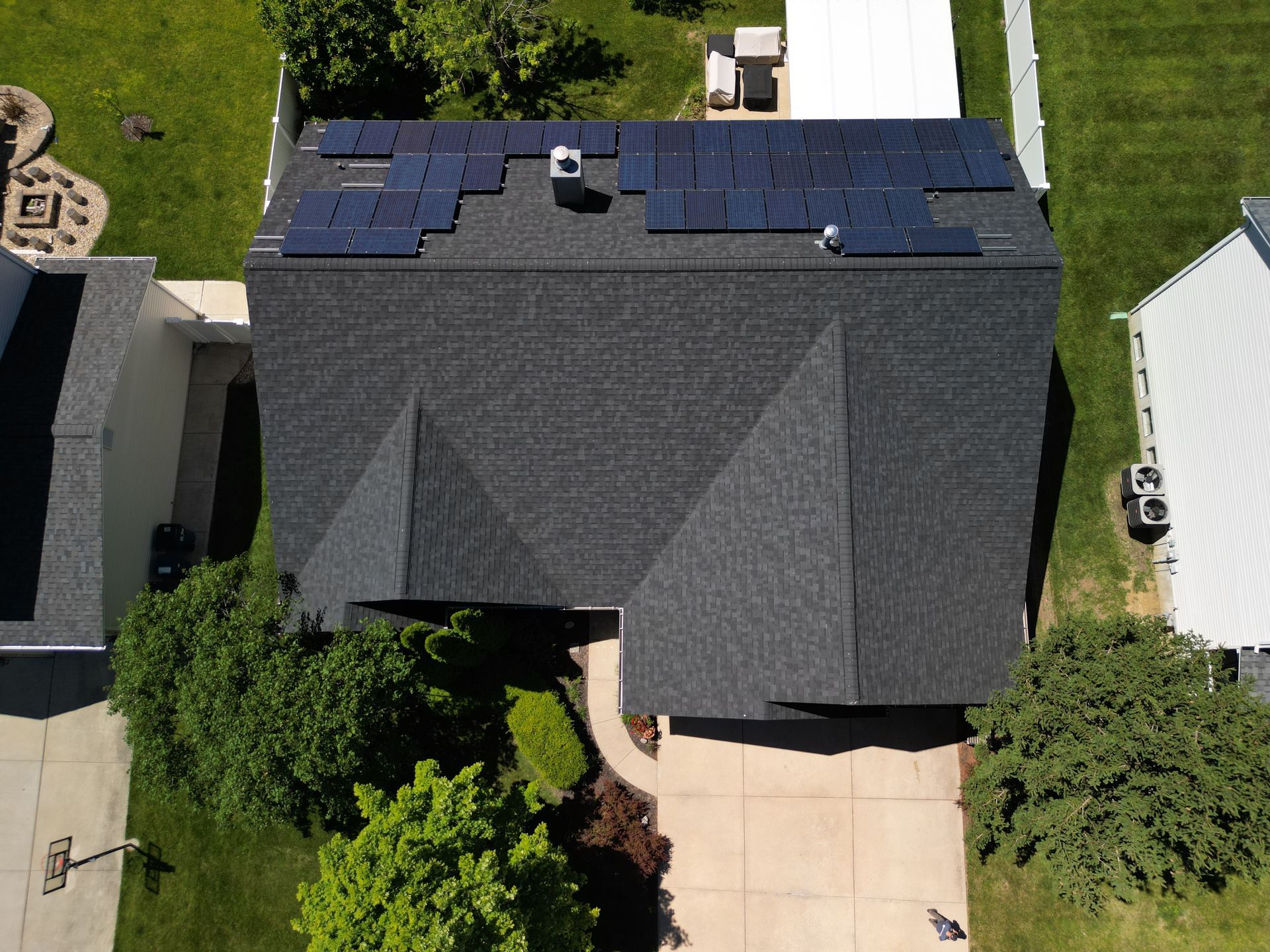
Duration® Series Shingles — Maximum Protection
Best for:
- Homes on hills or open areas (high wind exposure)
- Homes in hail-prone zones
- Properties with south/west-facing roof exposure (high UV)
- Homeowners who want maximum durability and peace of mind
Why we recommend it: Duration® shingles represent the top tier of asphalt shingle engineering. They're built for extreme weather and backed by SureNail® technology—a critical innovation that prevents wind blow-offs even in St. Louis's spring storms. The nailing zone technology also reduces installation variability, which matters enormously in a market where contractor quality varies significantly.
Traditional shingles rely on the installer to nail in a very precise 1-inch zone. Miss by an inch and the shingle can blow off. SureNail® uses adhesive and design to compensate for minor nailing variations. In high-wind events, this technology has proven dramatically more effective at preventing blow-offs. We've seen homes side-by-side where the Duration® roof stayed intact while a neighboring roof with standard shingles lost shingles.
Our climate creates ideal conditions for algae growth—warm, humid summers with plenty of moisture. StreakGuard® is a copper-based additive that prevents dark streaking for 10+ years, keeping your roof looking new and preventing moisture entrapment under algae buildup.
Duration® shingles typically cost 25–35% more than standard shingles upfront. Over a 40-year lifespan, this breaks down to roughly $0.50–0.70 per square foot per year. For a 2,500 sq ft roof, that's approximately $1,250–1,750 more over 40 years—or $30–45 per year—for a roof that performs dramatically better.
In the St. Louis area, we especially value Duration® on homes that have experienced previous weather damage, sit in exposed locations, or where the homeowner wants to eliminate future roofing conversations for decades. These shingles have the track record to back up that promise.
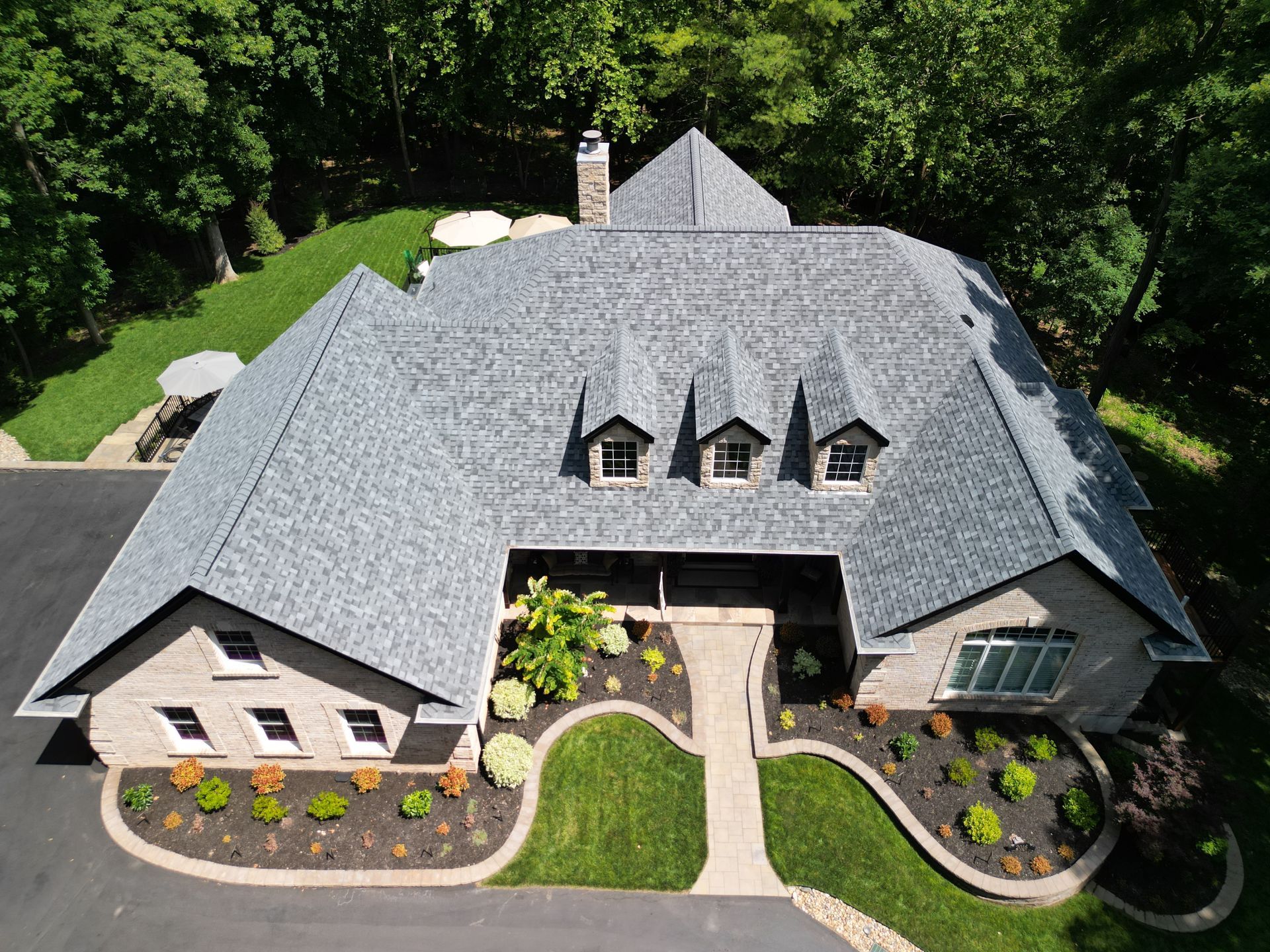
Oakridge® Series Shingles — Balanced Value
Best for:
- Primary residences where cost is a consideration but quality cannot be compromised
- Homes in average-exposure areas (not on hilltops, not in known hail zones)
- Homeowners who expect to stay in the home 20–30 years
- Budget-conscious homeowners who still want a strong warranty
Why we recommend it: Oakridge offers genuine durability without premium pricing. These shingles handle our climate well and carry strong warranties. They're not entry-level; they're a solid middle-ground for homeowners who've done their research and want to avoid the cheapest options while staying cost-conscious.
- Wind Resistance: Up to 110 mph (adequate for most residential settings)
- Impact Rating: Class 3 (hail resistant to 1.75-inch diameter; handles most St. Louis hail)
- Algae Protection: StreakGuard® technology (included; same algae resistance as Duration®)
- Thickness & Weight: 3-tab equivalent of 340 lbs/1000 sq ft (solid, not premium)
- Warranty: Limited Lifetime (covers manufacturing defects)
- Practical Lifespan in St. Louis: 22–28 years (very good for this price point)
Homeowners who choose Oakridge typically understand the trade-off: slightly lower extreme-weather performance and a slightly shorter lifespan than Duration®, but at a much more accessible price point. They're not cutting corners—they're making an informed choice based on their home's risk profile.
Oakridge shingles typically cost 10–15% more than the absolute cheapest options, but deliver 5+ years more lifespan. For the same 2,500 sq ft roof, Oakridge costs roughly $2,000–3,000 less than Duration® while still carrying strong algae protection and Class 3 hail resistance.
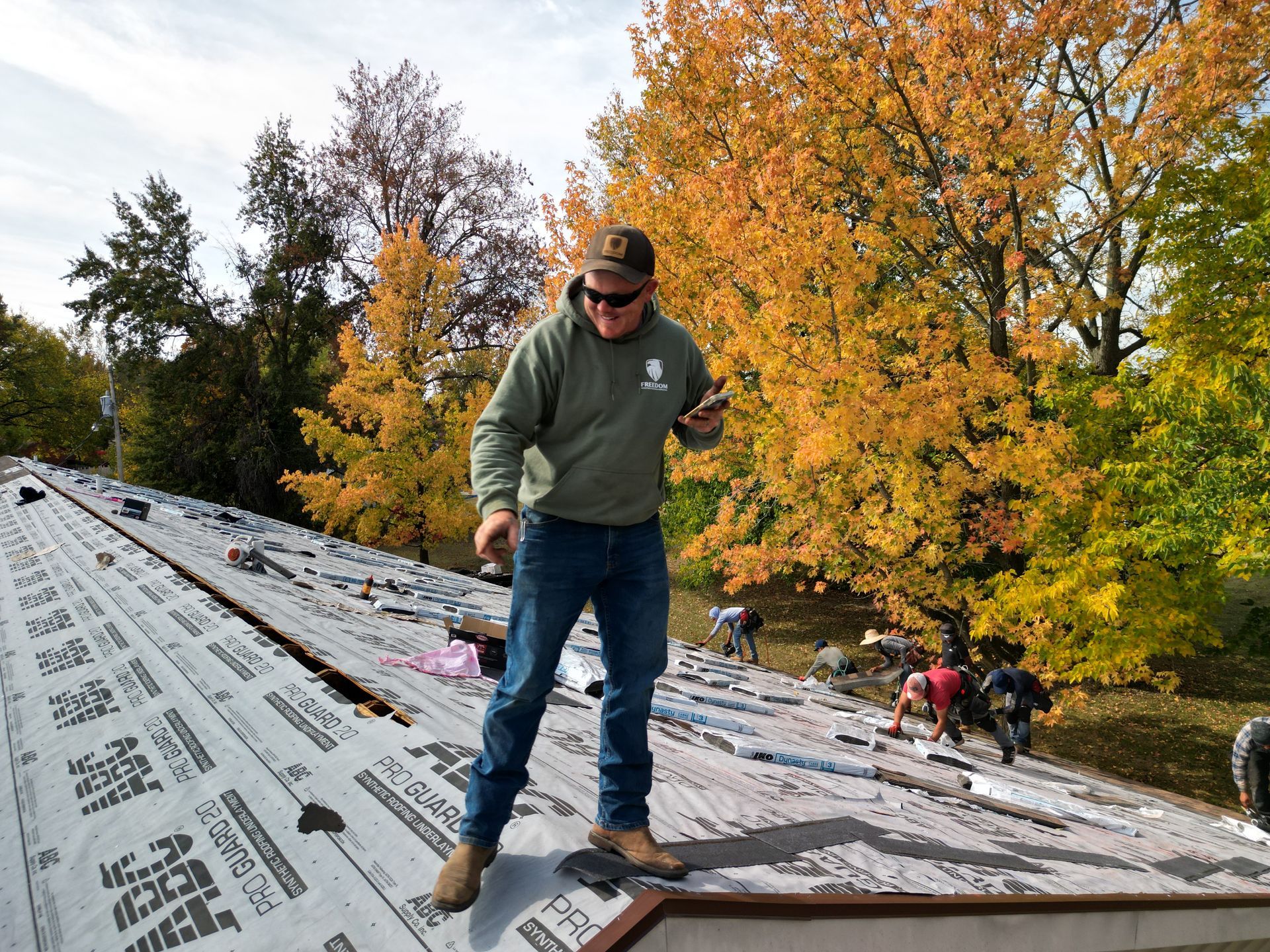
Standard/Entry-Level Shingles — We Don't Recommend These
For completeness: we can install standard 3-tab shingles at lower cost, but we rarely recommend them for new roofs in the St. Louis market. Here's why:
- Wind resistance tops out at 60–80 mph (inadequate for our spring storms)
- No Class rating (no hail resistance)
- Algae protection is limited; dark streaking common within 5–8 years
- Practical lifespan: 15–20 years
- Warranty claims are more common due to stress failures
Our Position: If budget is tight, we'd rather install Oakridge and help you spread the cost than install a cheap shingle that you'll regret within a decade. We've seen too many homeowners deal with premature algae staining, wind damage, and early replacements from cutting corners on materials.
System Components — The Layers That Matter
A roof is more than shingles. A complete roofing system includes:
- Roof Decking (plywood or OSB beneath the shingles)
- Underlayment (moisture barrier)
- Shingles (weather defense)
- Flashing (transitions, valleys, edges)
- Ventilation (attic airflow)
- Edge Details (soffit, fascia, gutters)
We evaluate and specify each layer.
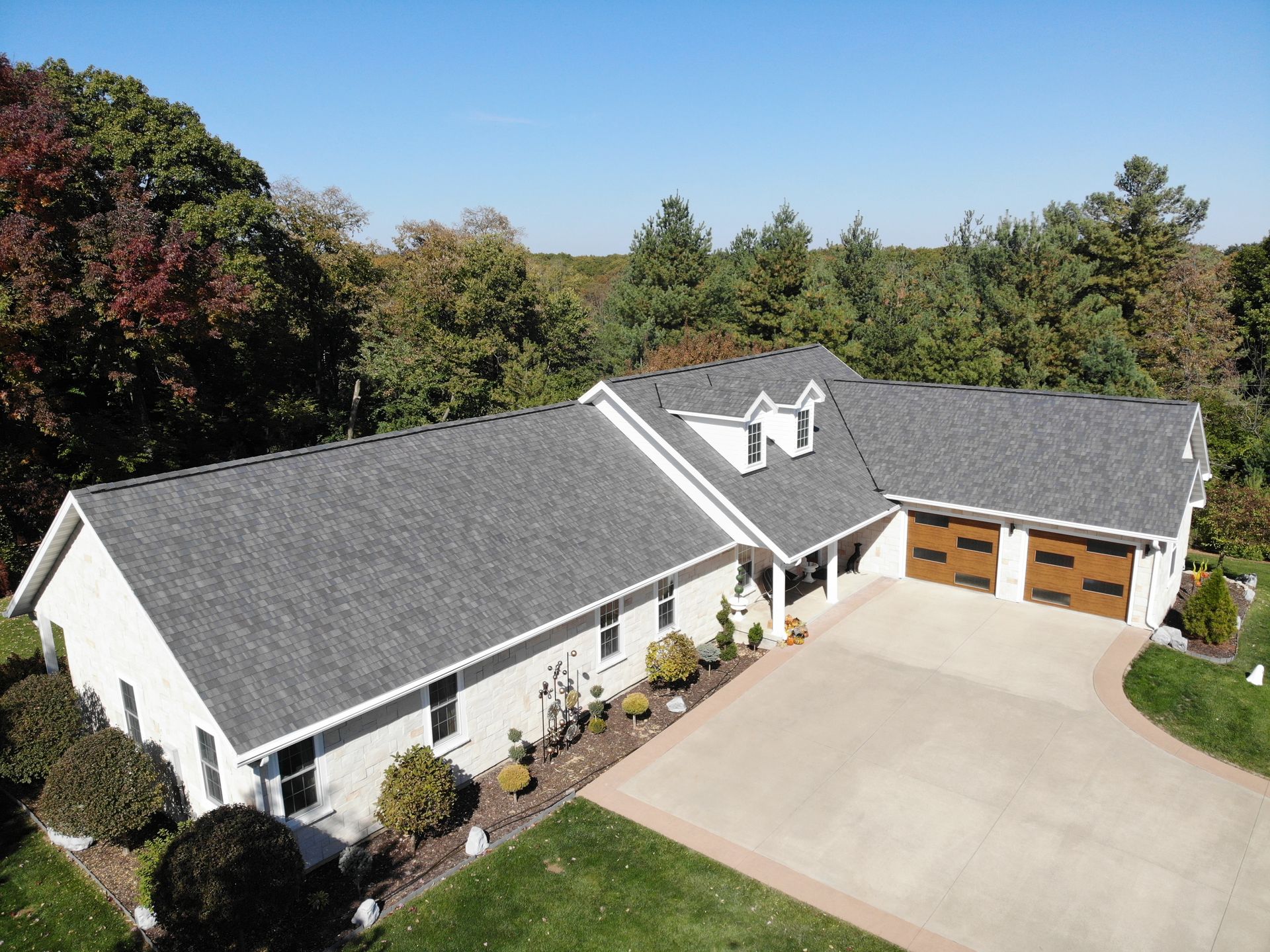
Underlayment & Weather Protection
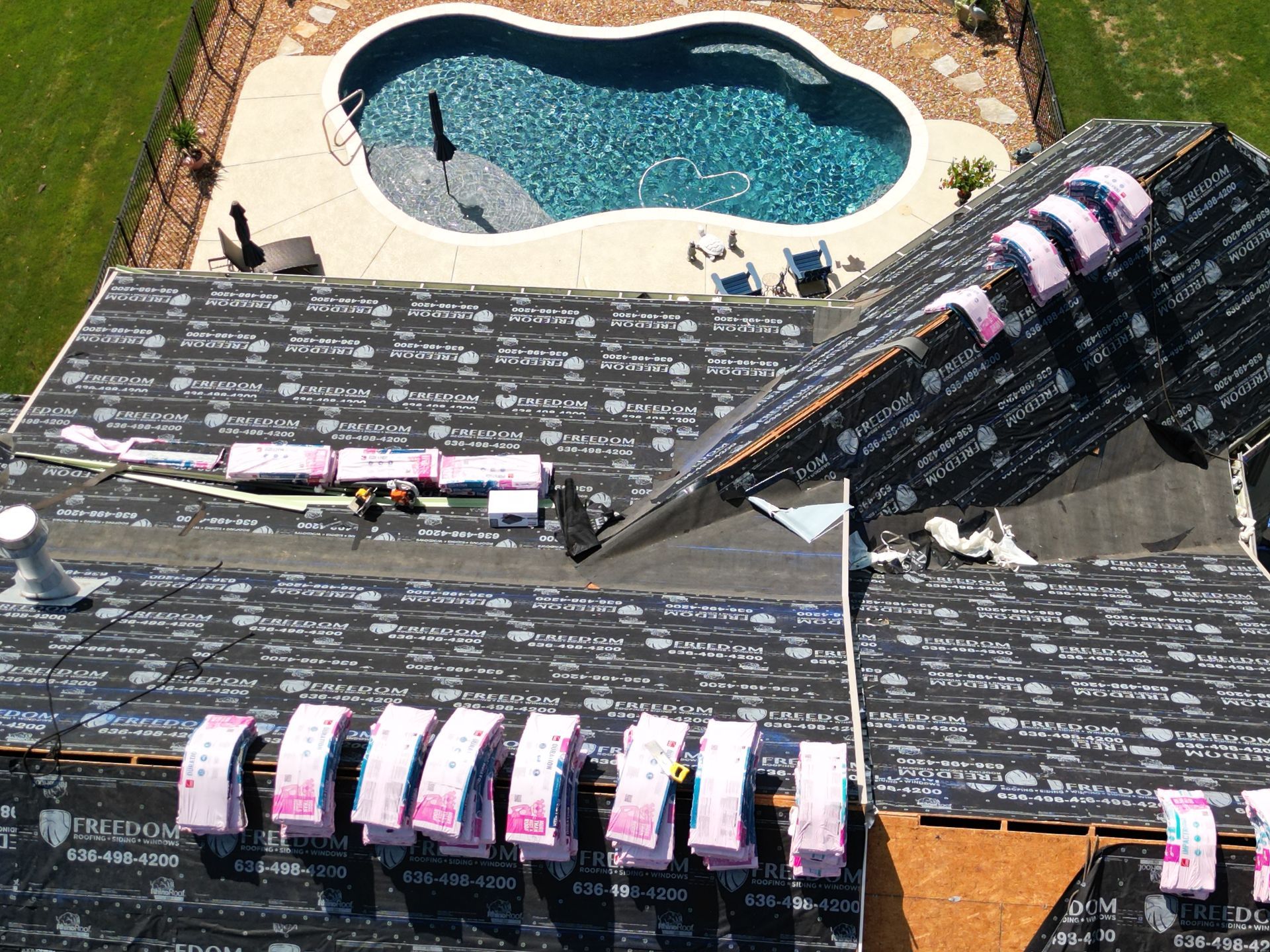
Ice & Water Barrier
What it is: A self-adhesive membrane that sticks directly to the roof deck, providing a second line of defense against water penetration.
Why it's mandatory in St. Louis:
- Winter ice damming is a real and common risk
- Water doesn't always run straight down; it backs up behind ice dams and finds gaps
- Once water gets past shingles, ice & water barrier stops it before it enters your attic
- Valleys and roof edges are especially vulnerable
- Full length of eaves (minimum 3 feet up from edge, sometimes more on lower-slope roofs)
- Every roof valley (water concentration zone)
- Around chimneys, skylights, and roof penetrations
- Any area where water backup is possible
- Thickness: 30–40 mils (commercial grade)
- Adhesive: Remains sticky across temperature ranges (-20°F to 160°F)
- Durability: Rated for 10+ years of UV exposure before shingles cover it
Roughly $0.30–0.50 per square foot to install; a 2,500 sq ft roof costs $750–1,250 for full underlayment. Not optional; it's foundational protection.
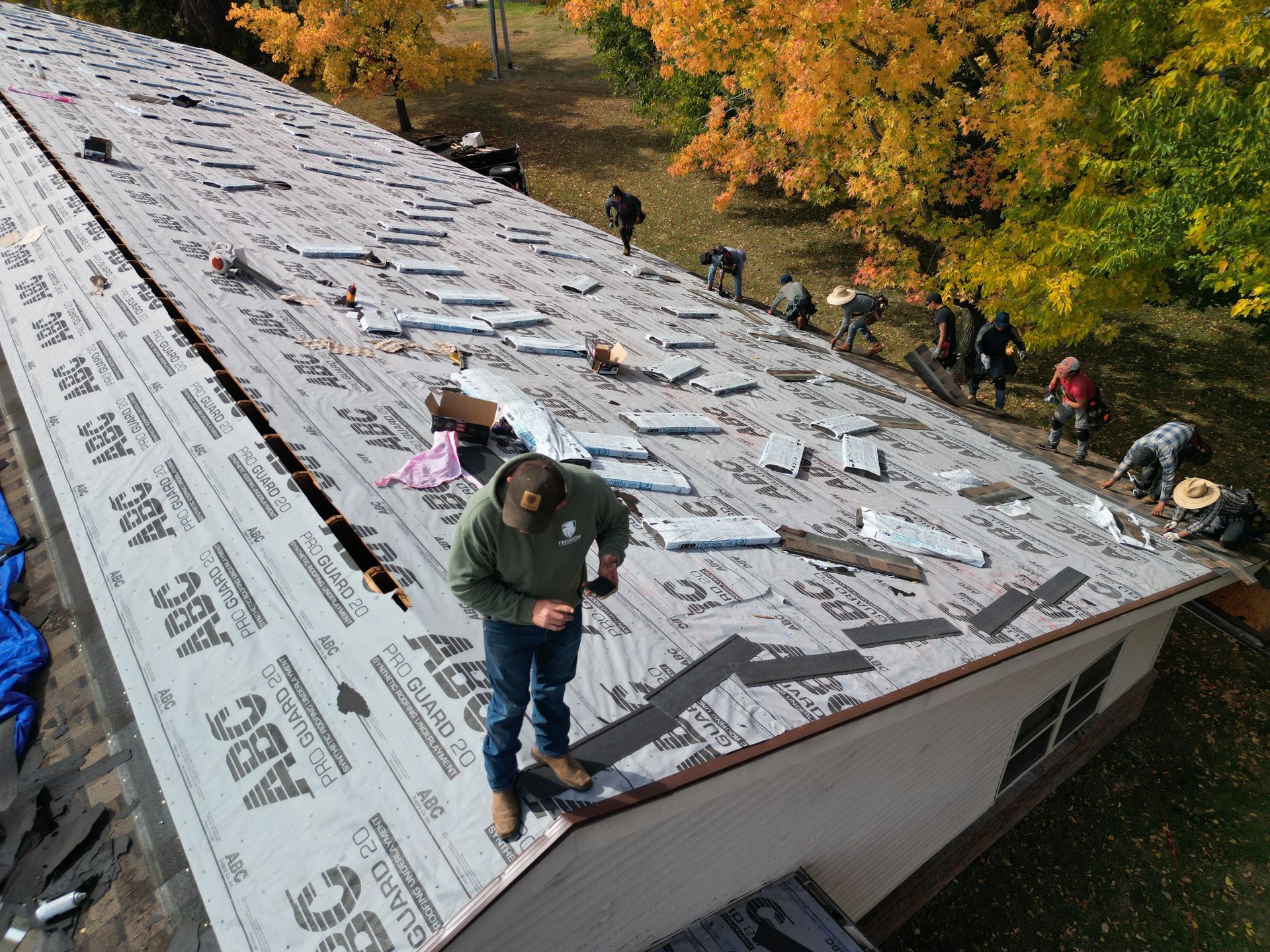
Synthetic Underlayment
What it is: A lightweight, woven or non-woven synthetic material that replaces traditional tar-paper felt as a secondary weather barrier.
Why we prefer synthetic over traditional felt:
- Moisture resistance: Won't absorb water the way felt does; stays dry even in humid conditions
- Longevity: Won't degrade or become brittle over decades
- Installation stability: Won't wrinkle or shift when shingles are installed
- Worker safety: Non-slippery surface (felt becomes slick when wet, creating fall hazards)
- Breathability: Allows trapped moisture to escape without allowing water infiltration
- Full roof coverage under all shingles
- In combination with ice & water barrier at eaves and valleys
- Weight: 2–3 ounces per square yard (much lighter than felt, easier to handle)
- Permeability: Allows moisture vapor to escape (prevents attic condensation)
- Durability: Rated for 10–20 years of direct UV (longer if shingles are installed quickly)
- Tear resistance: Won't rip during installation or high winds
Roughly $0.15–0.25 per square foot; comparable to or slightly more than traditional felt, but vastly superior performance.
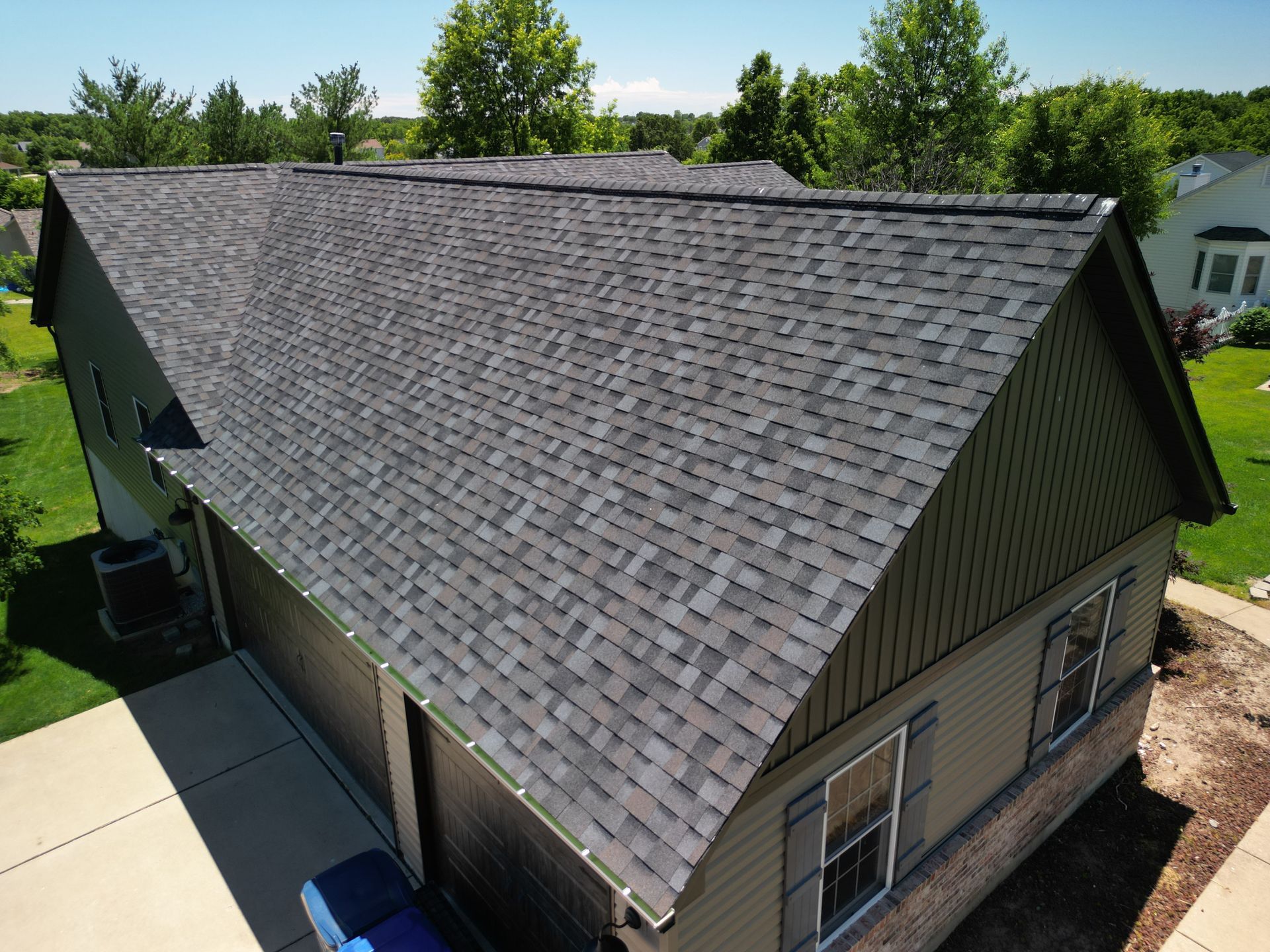
Ventilation & Attic Management
Proper attic ventilation is non-negotiable. Poor or absent ventilation is one of the top reasons roofs fail prematurely in the St. Louis area.
Why Ventilation Matters
Our climate creates extreme conditions:
- Summer: Hot, humid air rises into the attic; without escape, heat and moisture damage shingles, insulation, and framing
- Winter: Interior humidity (from daily living) escapes into the attic; without escape routes, it condenses on cold wood, creating mold and rot
- Shingle lifespan drops by 30–50%
- Warranties can be voided (some manufacturers require proof of ventilation)
- Insulation degrades faster
- Mold and wood rot develop
- Ice dams become more severe (warm attic melts snow, creating dam conditions)
We evaluate your existing ventilation during the inspection and upgrade if necessary.
Intake Ventilation (Soffit Vents):
- Allows outside air to enter the attic from the eaves
- Creates airflow path from low points (soffits) to high points (ridge)
- We ensure soffits are open and unobstructed
- Damaged or inadequate soffits are replaced
Exhaust Ventilation (Ridge Vents):
- Allows hot, humid attic air to escape at the roof peak
- Ridge vent is more effective than box vents (which can back up during wind)
- Must be installed correctly to prevent water leaks (common mistake)
- Should be sized proportionally to intake area
- 1 square foot of ventilation opening for every 150 square feet of attic space
- 50% intake, 50% exhaust (balanced ventilation)
- Ridge vent + soffit vents as the preferred combination
Upgrading ventilation on an existing roof typically costs $1,500–3,000 depending on current conditions. It's an investment that extends roof life by years and protects your entire home.
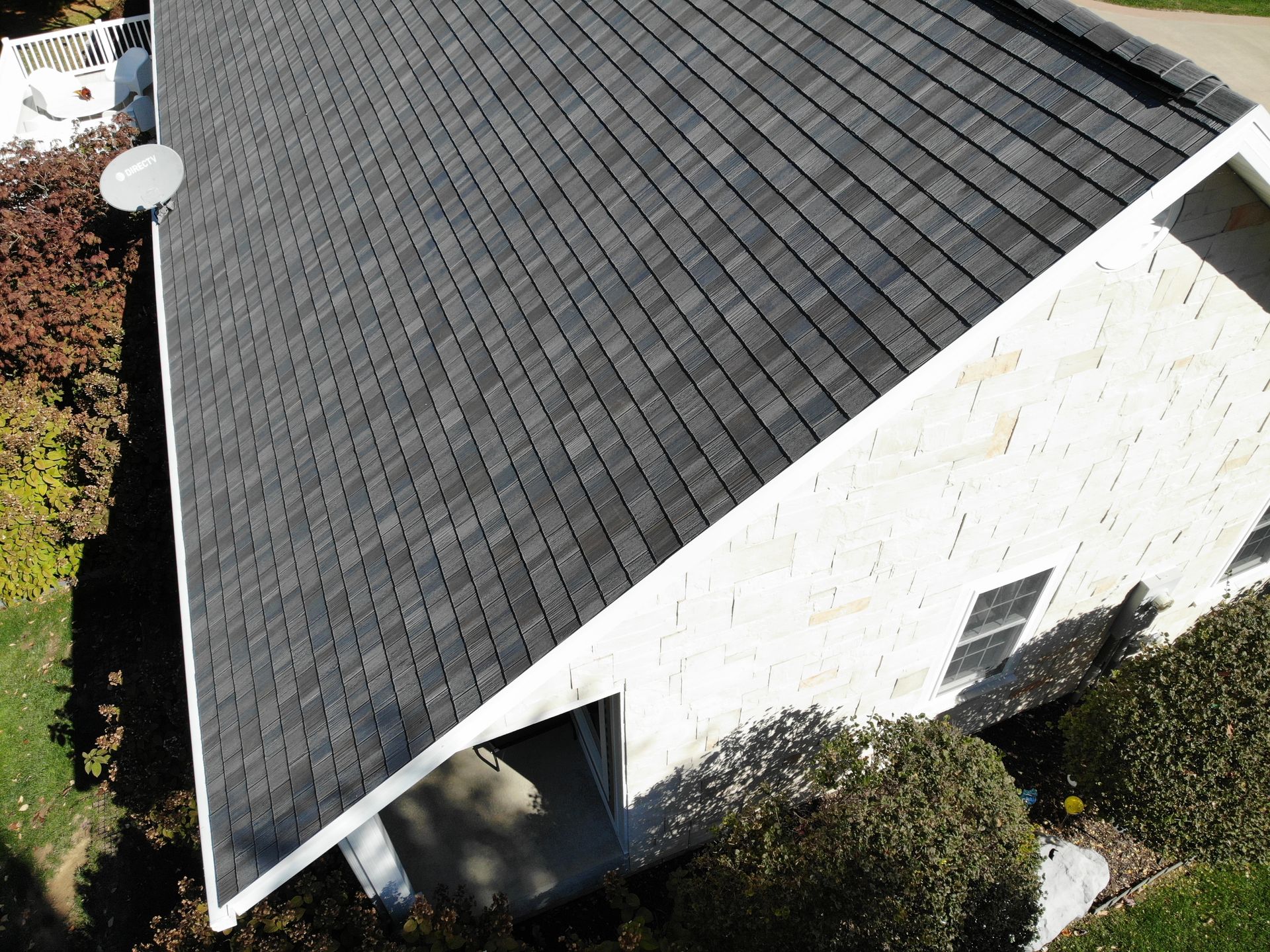
Flashing & Edge Details
Flashing is where most roof leaks start. Shingles fail—that's expected. But flashing failures are usually caused by poor installation or cheap materials.
Chimney Flashing
- Why it's critical:
Chimneys create a major penetration in the roof. Water wants to flow around and behind the chimney. Flashing must be installed in overlapping layers that direct water away.
- Step flashing: Individual metal pieces beneath each course of shingles, stepping up the side of the chimney
- Counter-flashing: A separate piece above the step flashing, embedded in the chimney mortar, that overlaps the step flashing
- Material: Aluminum (for new roofs) or copper (for premium installations; lasts 50+ years)
- Sealant: Minimal; we rely on overlapping design, not caulk
- Slope: Proper slope toward the downhill side to shed water
- Single flashing piece instead of overlapping step + counter flashing
- Caulked seams instead of overlapping design
- Improper slope that traps water
$300–600 for a single chimney; proper installation is critical.
Roof Valleys
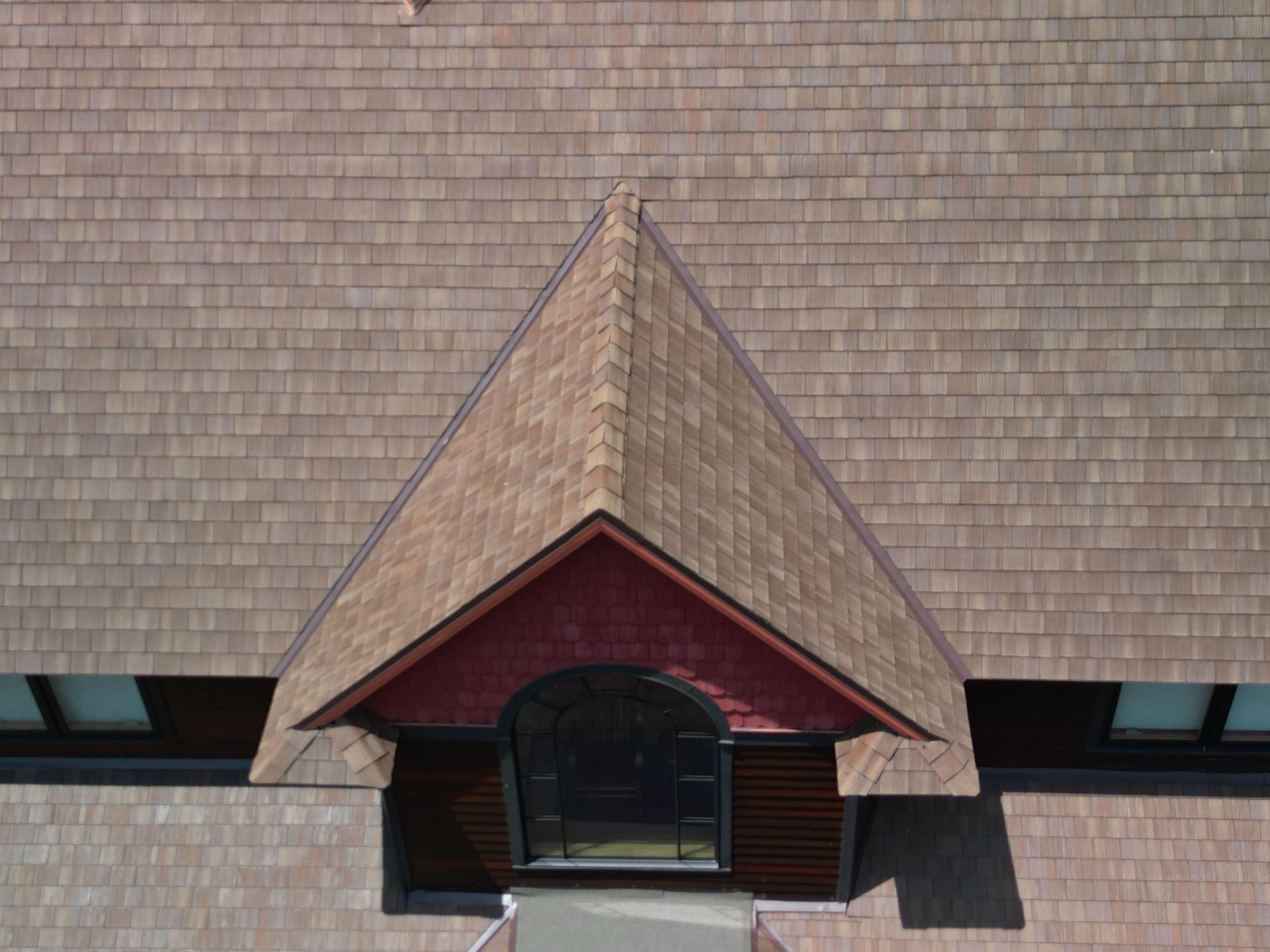
What it is:
The V-shaped channel where two roof planes meet; water concentrates here.
- Closed valleys (our preference): Shingles woven together across the valley with ice & water barrier underneath
- Open valleys (alternative): Metal flashing exposed in the valley with shingles cut back
- Material: Aluminum or galvanized steel for open valleys
- Ice & water barrier: Full coverage under the valley regardless of method
- Cheap flashing that corrodes
- Improper overlap where shingles meet
- Debris blockage causing water backup
Part of the overall shingle installation; no separate charge if installed correctly from the start.
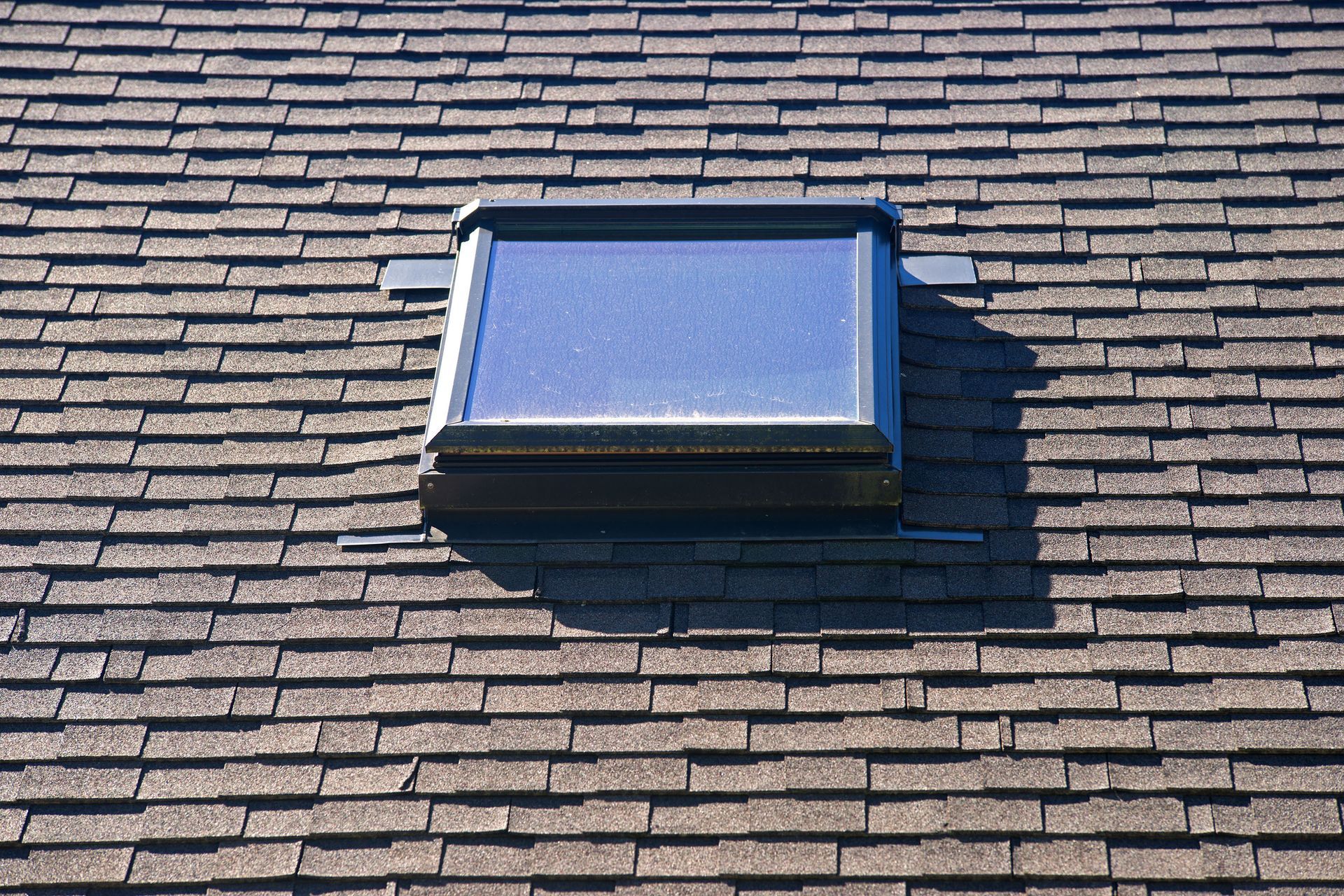
Skylights & Roof Penetrations
Our Approach:
- Each penetration (skylight, vent pipe, etc.) gets individual flashing analysis
- Flashing must overlap properly with surrounding shingles
- Ice & water barrier extends well beyond the penetration
- Skylights especially: common source of leaks if flashing is installed incorrectly
Warranty & Protection Plans
Manufacturer Warranty (Owens Corning)
Duration® Lifetime Limited Warranty:
- Covers manufacturing defects in materials
- Prorated for 25+ years; transferable to second owner
- Does NOT cover wind, hail, or improper installation
- Requires proper ventilation to be valid
Oakridge® Limited Lifetime Warranty:
- Similar structure to Duration®
- Covers material defects
- Prorated over time
Important: Manufacturer warranties cover material defects, not installation quality or weather damage. This is why choosing a qualified installer (like us) matters—the manufacturer won't cover installation mistakes.
Installation Warranty (Freedom Restoration & Roofing)
We stand behind our installation with a 10-year workmanship warranty:
- Covers installation mistakes (improper nailing, flashing errors, etc.)
- Covers our choice of materials
- Does NOT cover weather events or maintenance failures
What's covered:
- Roof leaks caused by our installation
- Flashing failures due to improper installation
- Ventilation issues we create
- Shingle blow-offs from our nailing errors
What's NOT covered:
- Storm damage (hail, wind, fallen trees)
- Lack of maintenance (gutters clogged, debris buildup)
- Improper repairs by other contractors after handoff
Owens Corning Roofing Contractor Network Certification
Our Platinum contractor status includes:
- Enhanced warranty coverage for customers
- Direct access to Owens Corning technical support
- Proof that we meet rigorous installation standards
- Eligibility for exclusive tools (Build Your Roof widget, contractor-only materials)
Color & Aesthetics
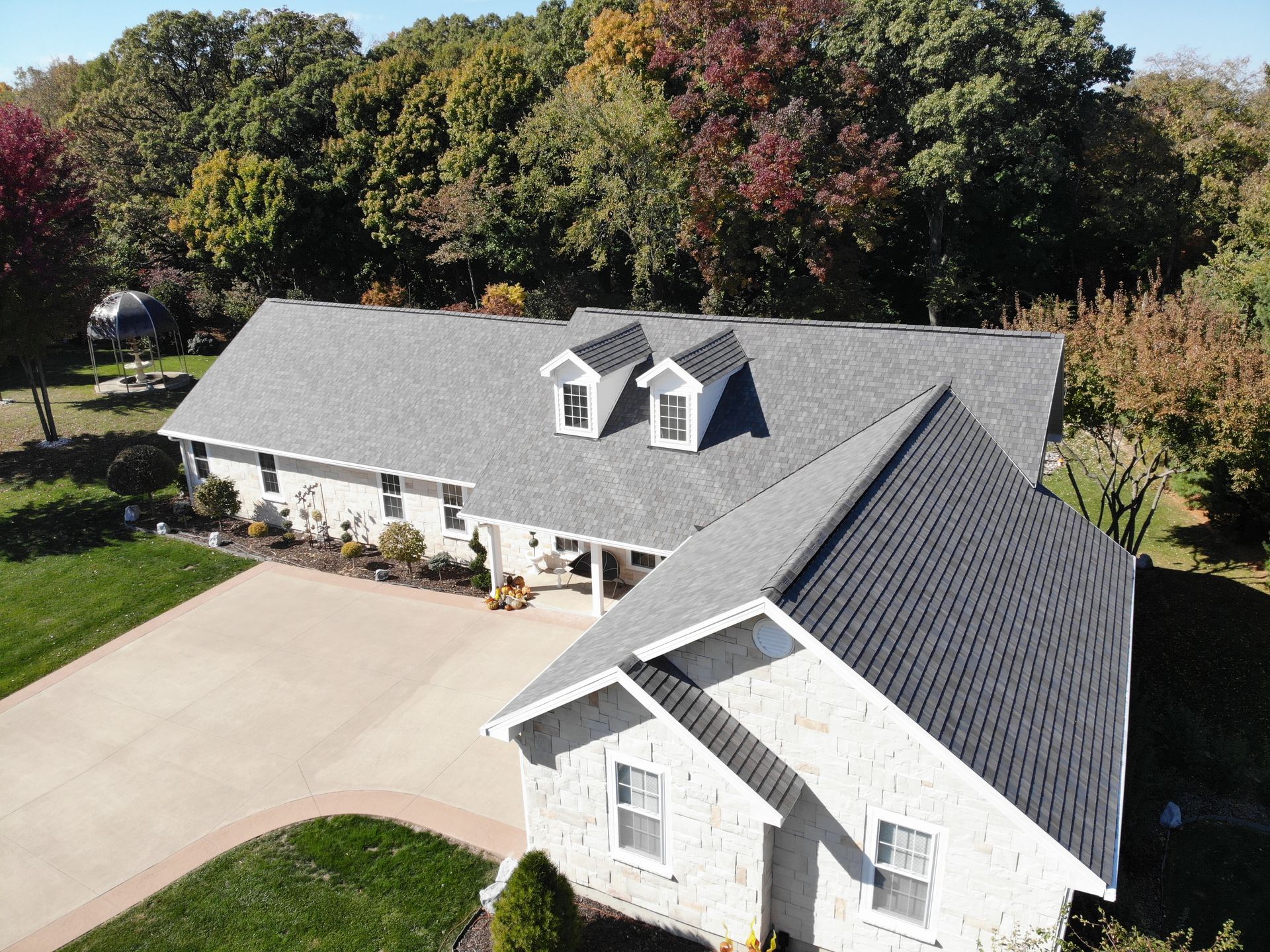
Material choice affects aesthetics. We help you select both the right shingle product and the right color for your home's architectural style.
- Light colors reflect more sun; slightly cooler attic temps, better in summer heat
- Dark colors absorb more sun; warmer in winter (minimal impact in St. Louis)
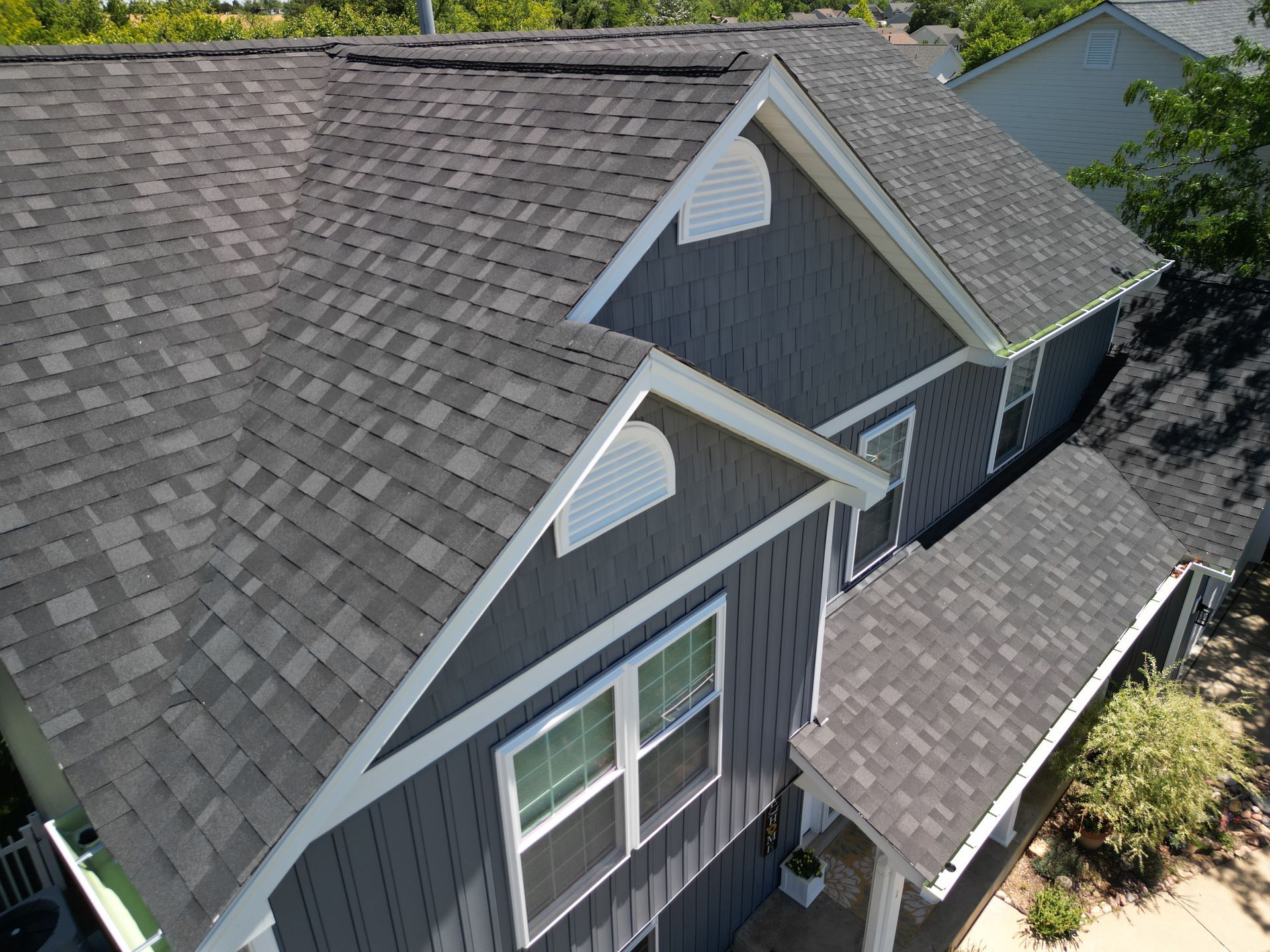
- Neutral tones (grays, taupes, blacks) are most versatile; work with most architectural styles
- Charcoal Gray (works with traditional, modern, farmhouse styles)
- Weathered Wood (warm tone; works with natural stone homes)
- Black (classic; pairs with white trim or light siding)
- Slate Gray (sophisticated; complements gray stone)
How to Choose
1
Assess Your Home's Exposure
- Is it on a hill or in an open area? (High wind exposure → consider Duration®)
- Is it in a known hail zone? (High hail risk → consider Duration® Class 4)
- How old is the current roof? (Older homes may need ventilation upgrades)
2
Understand Your Timeline
- Do you plan to stay 10 years or 40 years?
- What's your budget? (Duration® is 25–35% more upfront but lasts much longer)
3
Schedule an Inspection
- We'll evaluate roof condition, ventilation, flashing, and exposure
- We'll recommend a material strategy tailored to your home
- We'll provide honest cost comparison between options
4
Make an Informed Decision
- You'll understand exactly what materials are going into your roof
- You'll know the warranty coverage and what it includes
- You'll have confidence in the decision
Why We Specify Owens Corning Products
Owens Corning Platinum Contractor Status means:
- Formal training on product selection and installation
- Access to technical support for complex installations
- Validation that we meet rigorous installation standards
- Stronger warranty coverage for our customers
- Exclusive access to contractor tools and widgets
We didn't choose Owens Corning for their marketing—we chose them because their products consistently outperform in the St. Louis climate, and their technical support solves problems other manufacturers can't. We've tested other brands; Owens Corning's engineering is simply better.
Next Steps
Ready to discuss your roof?
We'll inspect your home, evaluate current conditions, and recommend a material strategy tailored to your situation and budget. No high-pressure sales—just honest expertise backed by years of St. Louis roofing experience.
Questions about materials? Call us or use the chat to get answers.
Freedom Restoration & Roofing is an Owens Corning Platinum Contractor, serving the St. Louis metroplex with expert roofing installation, restoration, and repair.