November 24, 2026
A roof is one of the most important components of a home's exterior, protecting the structure, belongings, and occupants from rain, wind, and other environmental conditions. However, as roofing materials age and experience repeated exposure to the elements, their ability to provide dependable protection gradually declines. When problems become widespread, homeowners may find that addressing individual issues is no longer the most practical solution.
According to Houzz, 73% of homeowners surveyed who were completing roofing renovations chose to replace their entire roofs, representing a nine-percentage-point increase compared to the previous study. This growing preference reflects the value homeowners place on long-term protection, improved property conditions, and predictable maintenance expenses. Understanding the benefits of a full roof replacement can help homeowners determine whether replacing an aging system is the right investment for their property.
Understanding the Long-Term Benefits of Replacing an Aging Roof
Address Multiple Roofing Problems at Once
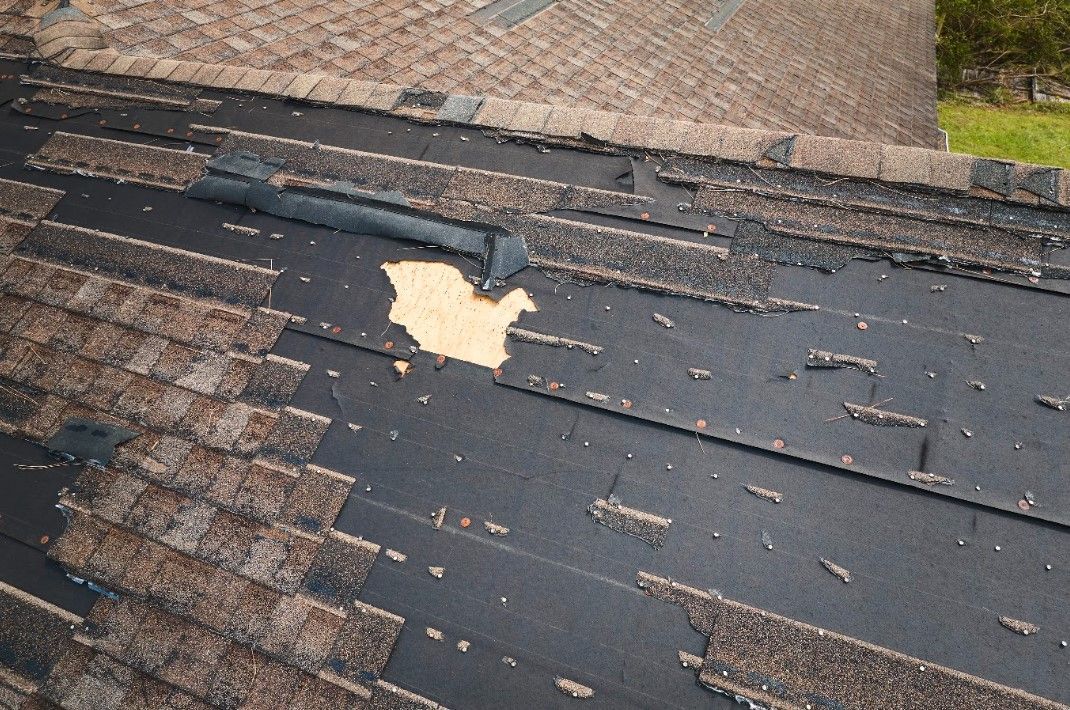
As a roof ages, individual components can deteriorate at different rates. Shingles may crack, curl, or become loose, while flashing, underlayment, and other protective materials can also develop problems. Although isolated damage may initially seem manageable, multiple areas of deterioration can indicate that the entire roofing system is approaching the end of its useful lifespan.
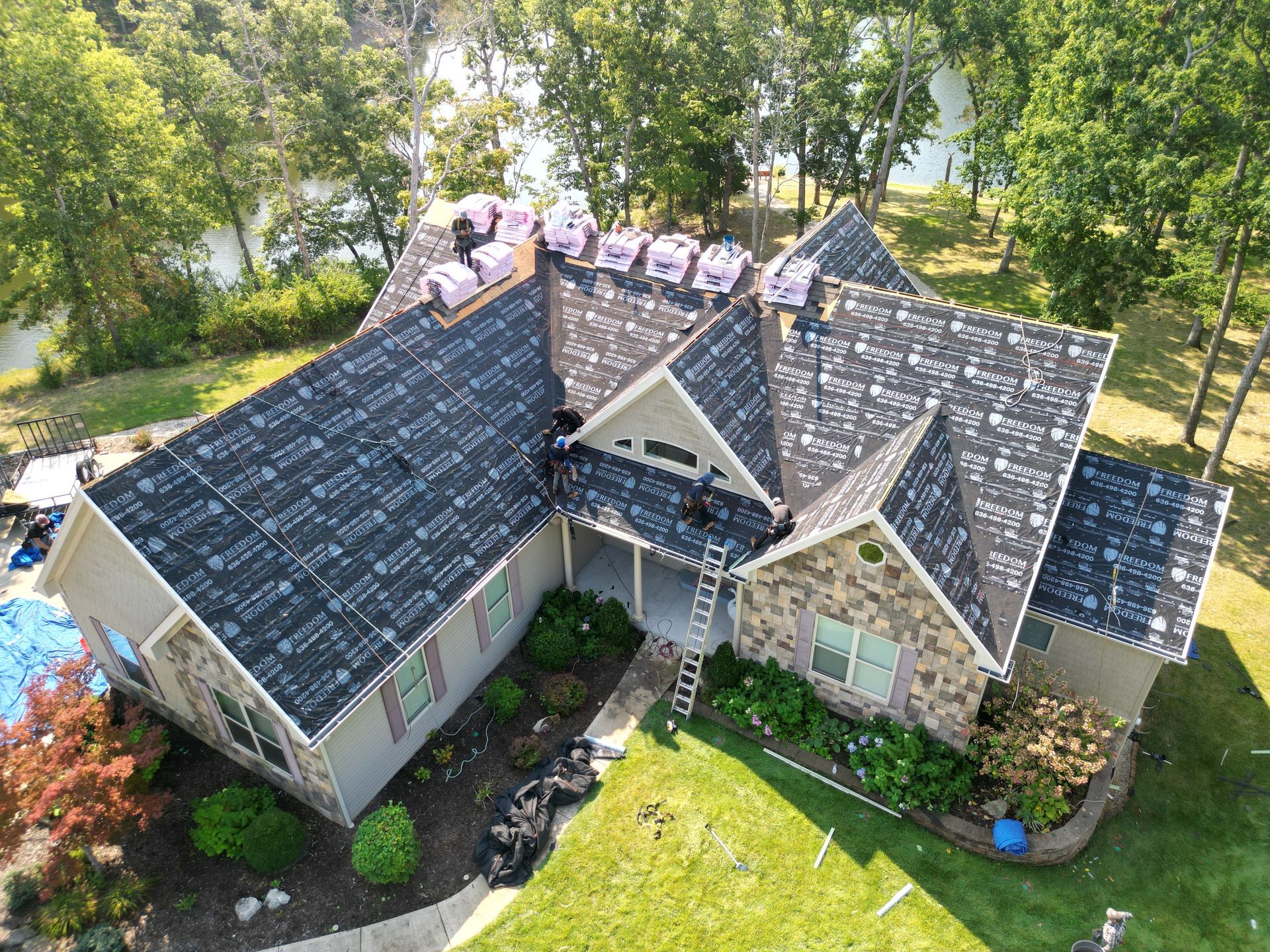
A roof replacement addresses widespread deterioration rather than focusing on individual problem areas. Instead of repeatedly scheduling repairs for different sections, homeowners can have the existing roofing materials removed and replaced with a cohesive system. This approach helps establish consistent protection across the entire roof and reduces the likelihood of overlooking underlying issues during isolated repair work.
Reduce the Risk of Water Damage
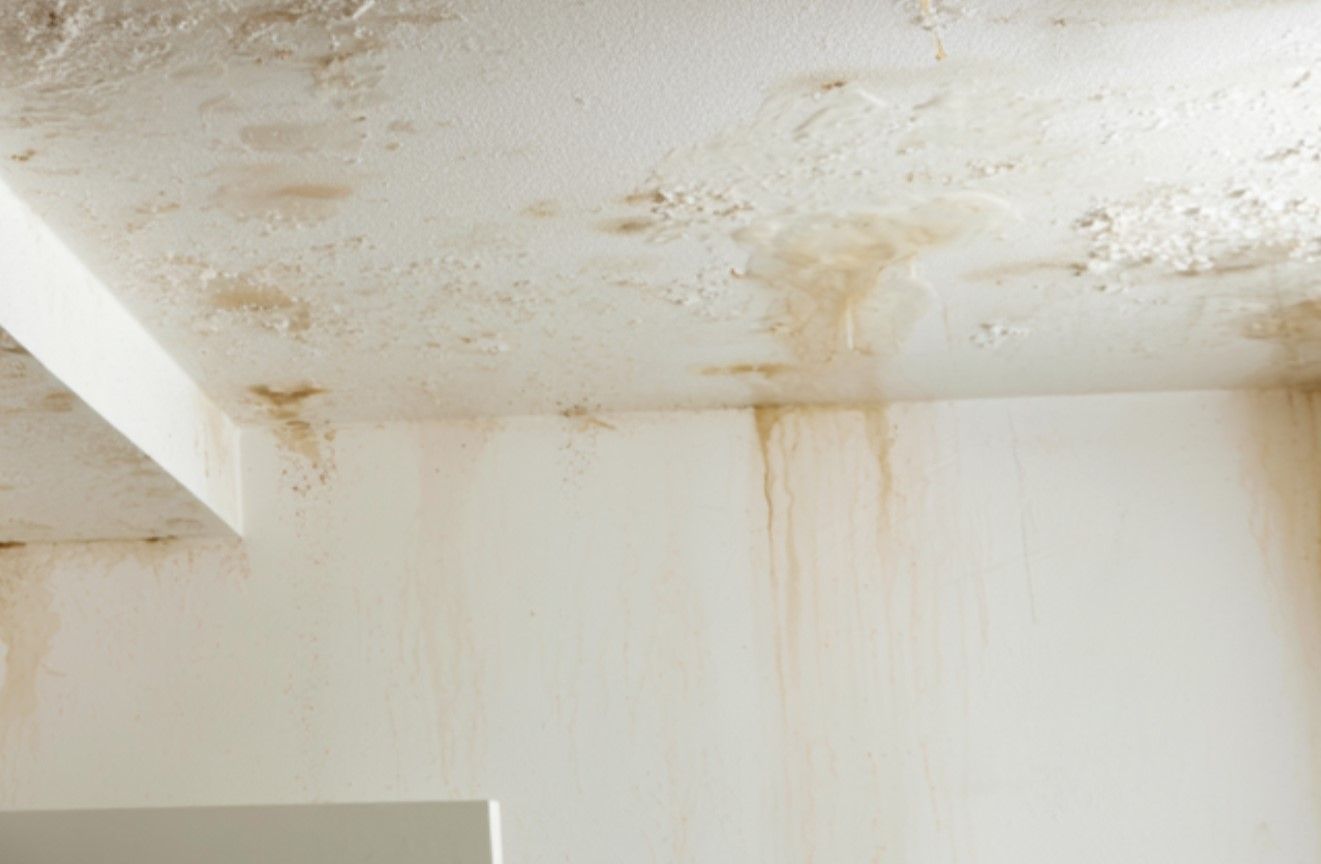
A compromised roof can allow moisture to enter the home, potentially affecting insulation, ceilings, walls, and structural components. Even relatively small leaks can create significant problems when water intrusion continues unnoticed. Moisture exposure may also contribute to mold growth, wood deterioration, and costly interior restoration work.
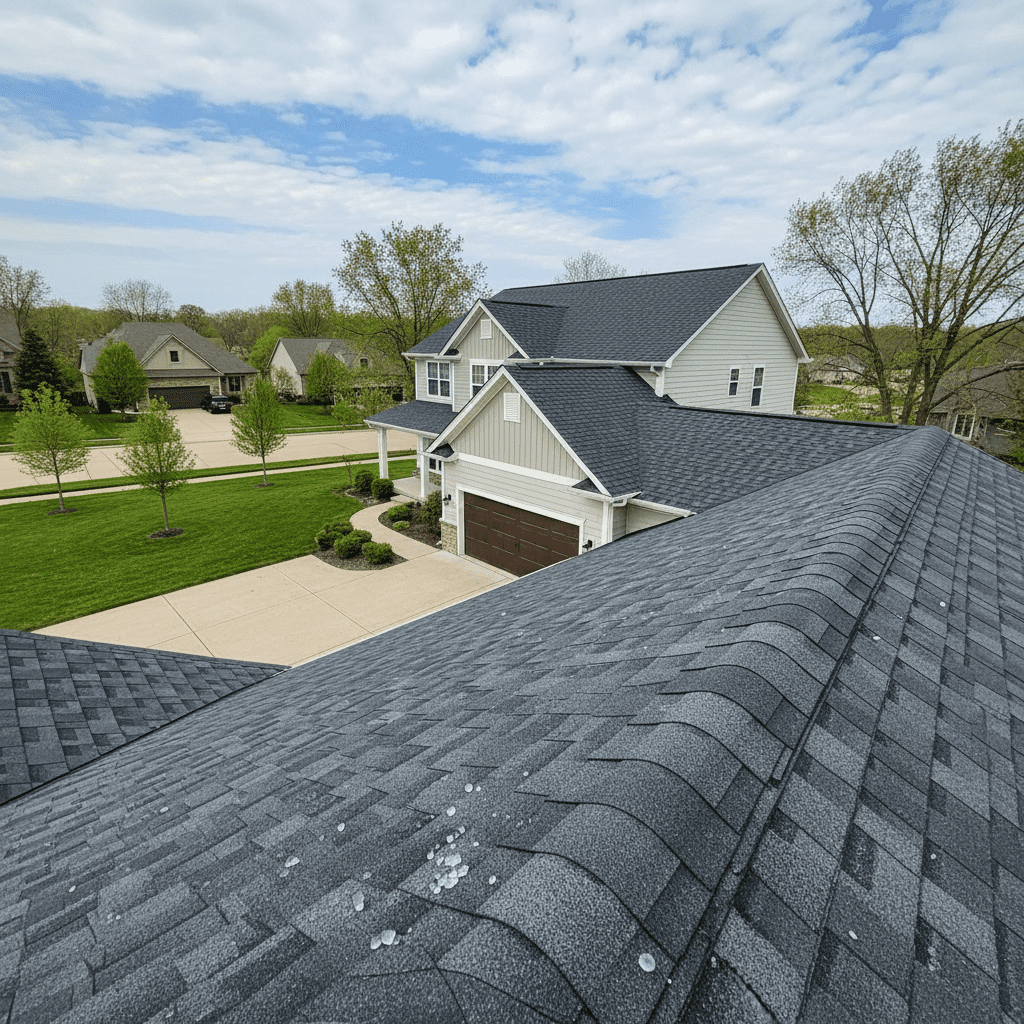
Choosing a roof replacement when deterioration becomes widespread can help prevent these problems from developing or worsening. Installing new protective materials creates an opportunity to address vulnerable areas and restore the roof's ability to direct water away from the home. For homeowners who have experienced recurring leaks, this investment can provide a more comprehensive solution than repeatedly repairing visible damage.
Identifying Financial and Practical Reasons to Choose a New Roof
Make Long-Term Roofing Expenses More Predictable
Although replacing an entire roof requires a larger initial investment than repairing a small damaged area, the long-term financial considerations can make a complete project worthwhile. Frequent repairs involve recurring labor and material expenses, which can accumulate when an aging roof continues developing problems. Homeowners may also face additional costs if existing damage spreads to other parts of the property.
A roof replacement allows homeowners to address many existing concerns through one coordinated project. Rather than budgeting for repeated service appointments and unexpected repairs, they can begin with a newly installed roofing system and follow a more predictable maintenance schedule. Financing options may also help make the initial investment more manageable for households that cannot comfortably cover the entire expense upfront.
Improve Material Performance and Warranty Coverage
Older roofing materials may no longer provide the same level of protection they offered when first installed. Years of exposure to sunlight, temperature fluctuations, heavy rain, and strong winds can weaken shingles and compromise other roofing components. Replacing these materials gives homeowners the opportunity to select products designed to meet their property's specific performance requirements.
A new roof replacement may also include manufacturer material warranties and contractor workmanship coverage, depending on the products selected and installation agreement. These protections can help homeowners understand which issues may qualify for coverage after installation. For example, certain roofing systems offer extended material warranties, while workmanship warranties address qualifying installation-related concerns. Reviewing these details before beginning a project helps clarify the value included with the investment.
Simplify the Project Through Professional Assistance
A complete roofing project involves more than selecting shingles and arranging an installation date. Homeowners must consider material options, project estimates, installation timelines, property protection, and potential insurance requirements. Coordinating these details independently can become challenging, particularly when existing damage needs immediate attention.
Working with an experienced roofing contractor can make the process more manageable. A professional team can evaluate the roof's condition, explain available options, prepare a detailed estimate, and establish a realistic project schedule. Contractors who assist with insurance claims can also help document qualifying damage and communicate relevant information to insurance adjusters. Financing and price-matching opportunities may provide additional flexibility when planning the project.
Recognizing When a Complete Roofing Project Makes Sense
Identify Signs of Widespread Roof Deterioration
Knowing when repairs are no longer sufficient begins with understanding the warning signs of an aging roofing system. Missing, cracked, or curling shingles can indicate that materials are losing their ability to protect the underlying structure. Homeowners may also notice excessive shingle granules collecting in gutters and downspouts, which can suggest that the protective surface is wearing away.
Other warning signs deserve attention as well. Water stains on interior ceilings or walls may indicate an active or recurring leak, while visible daylight through attic roof boards can suggest gaps in the roof structure. Sagging sections are particularly problematic because they may indicate underlying structural problems. When several of these conditions appear together, a professional inspection can help determine whether a roof replacement is more appropriate than additional repairs.
Consider the Roof's Age and Overall Condition
Roofing materials have different expected lifespans depending on their quality, installation, maintenance history, and exposure to local weather conditions. Asphalt shingle roofs, for example, can experience significant deterioration after decades of service. Even when a roof does not have an obvious leak, its age and overall condition may indicate that its protective capabilities are declining.
A roof that is more than 20 years old and has developed problems in multiple areas may warrant a closer evaluation. However, age alone does not automatically mean replacement is necessary. A qualified contractor should assess the condition of the shingles, flashing, underlying materials, ventilation, and other relevant components before recommending a course of action. This evaluation helps homeowners avoid unnecessary work while recognizing when continued repairs may no longer offer sufficient value.
Plan Ahead to Minimize Disruptions
Waiting until a roof develops a serious leak or experiences significant storm damage can create unnecessary stress. Emergencies may require temporary protective measures, additional interior repairs, and more complicated scheduling. Planning a roofing project before problems become severe gives homeowners more time to compare materials, review estimates, and prepare financially.
Most residential roof replacement projects take between one and three days, although the actual timeline depends on the home's size, roof complexity, and weather conditions. Discussing scheduling expectations with a contractor helps households prepare for installation-related noise, temporary access restrictions, and other disruptions. Homeowners can also arrange necessary property protections and discuss how the crew will manage debris throughout the project. Taking these steps makes the transition to a new roofing system more organized.
A complete roofing project can offer meaningful advantages when an existing system has widespread deterioration, recurring leaks, or multiple areas of damage. From reducing repeated repair expenses to restoring consistent protection and providing access to new material warranties, replacing an aging roof can be a practical long-term investment. A professional inspection helps determine whether the home's condition justifies a full replacement or whether targeted repairs remain sufficient. By evaluating roofing needs early and working with an experienced contractor, homeowners can make informed decisions that protect their properties and support lasting performance.
If you think your home might need a new roof, contact Freedom Restoration and Roofing to schedule a professional roof inspection and get a free estimate!