Maintaining the integrity of your home's roof is crucial for protecting your property and ensuring the safety of its inhabitants. Recognizing the signs that indicate the need for repair can prevent minor issues from escalating into costly damage. This article provides insight into the top signs that it's time to schedule a roof repair. By identifying these issues early, homeowners can avoid extensive structural problems and preserve the longevity of their roofs. Let's delve into the various indicators that should prompt an inspection and necessary repairs on your roof.
Visible Damage to Shingles
Curling or Buckling Shingles
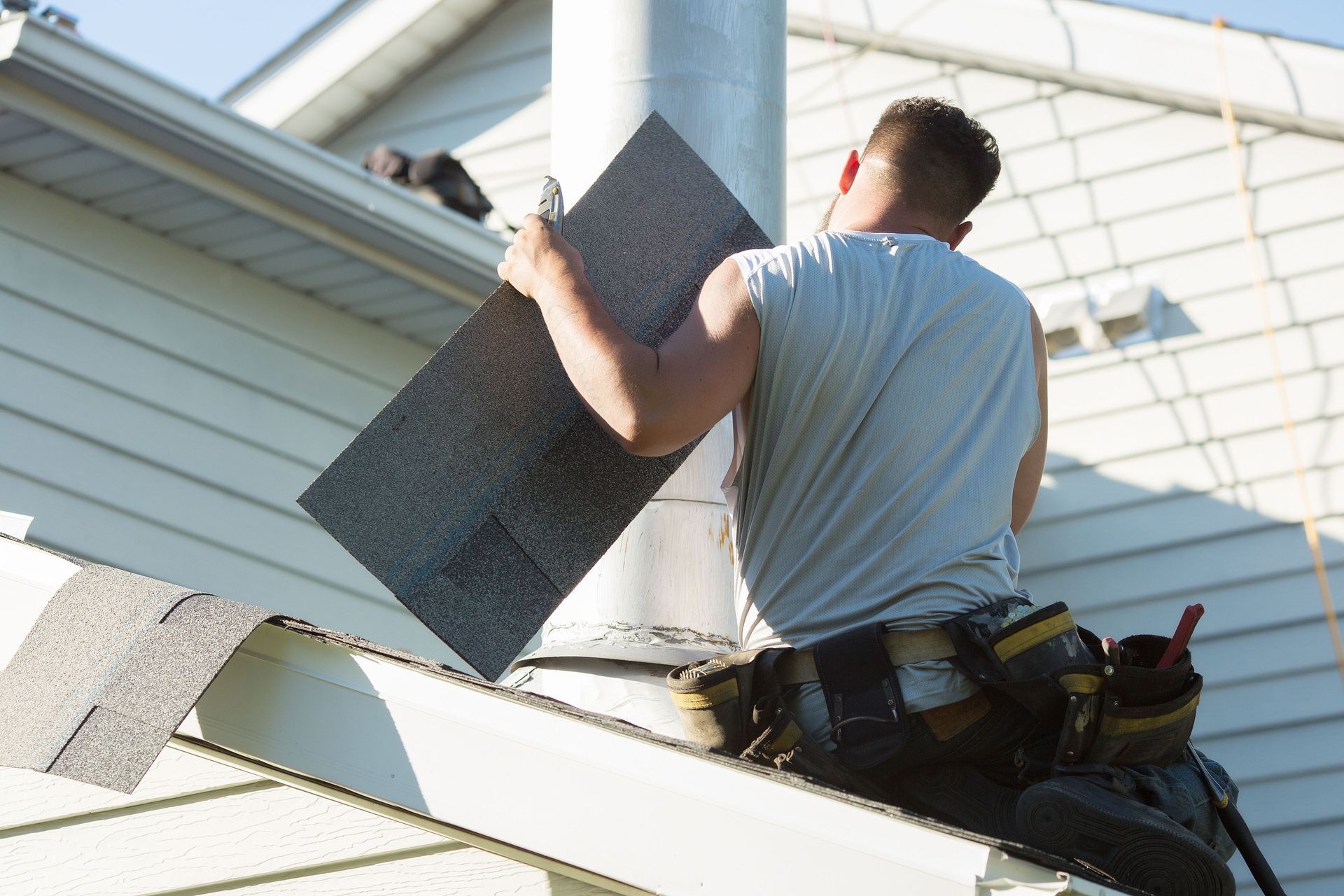
Curling or buckling shingles are a clear sign of roofing issues. This problem arises due to moisture absorption or weather wear over time. When shingles do not lie flat, they can easily catch wind and detach, exacerbating the damage. Homeowners should walk around their property to check if shingles are consistently laying flat. Identifying this problem early on and scheduling a roof repair can prevent extensive roof damage.
Missing Shingles
Missing shingles can lead to direct exposure of the underlayment to weather conditions, resulting in further damage. It’s crucial to address gaps promptly to prevent water infiltration. Over time, wind, heavy rain, and ice can erode shingles, making them more susceptible to detachment. Homeowners should regularly inspect their roofs after storms to ensure no shingles are missing. Replacing missing shingles promptly helps maintain the roof’s protective barrier against environmental factors.
Cracked Shingles
Cracked shingles are typically a result of weathering or hail damage. Over time, these imperfections can allow water to seep through and cause further deterioration of the roofing structure. Regularly inspecting and replacing cracked shingles can prevent water leaks and the onset of mold. Additionally, using high-quality roofing materials can reduce the frequency of such occurrences. Maintenance care, alongside prompt repairs, can significantly extend the life of the roof.
Signs of Water Leaks
Water Stains on Ceilings
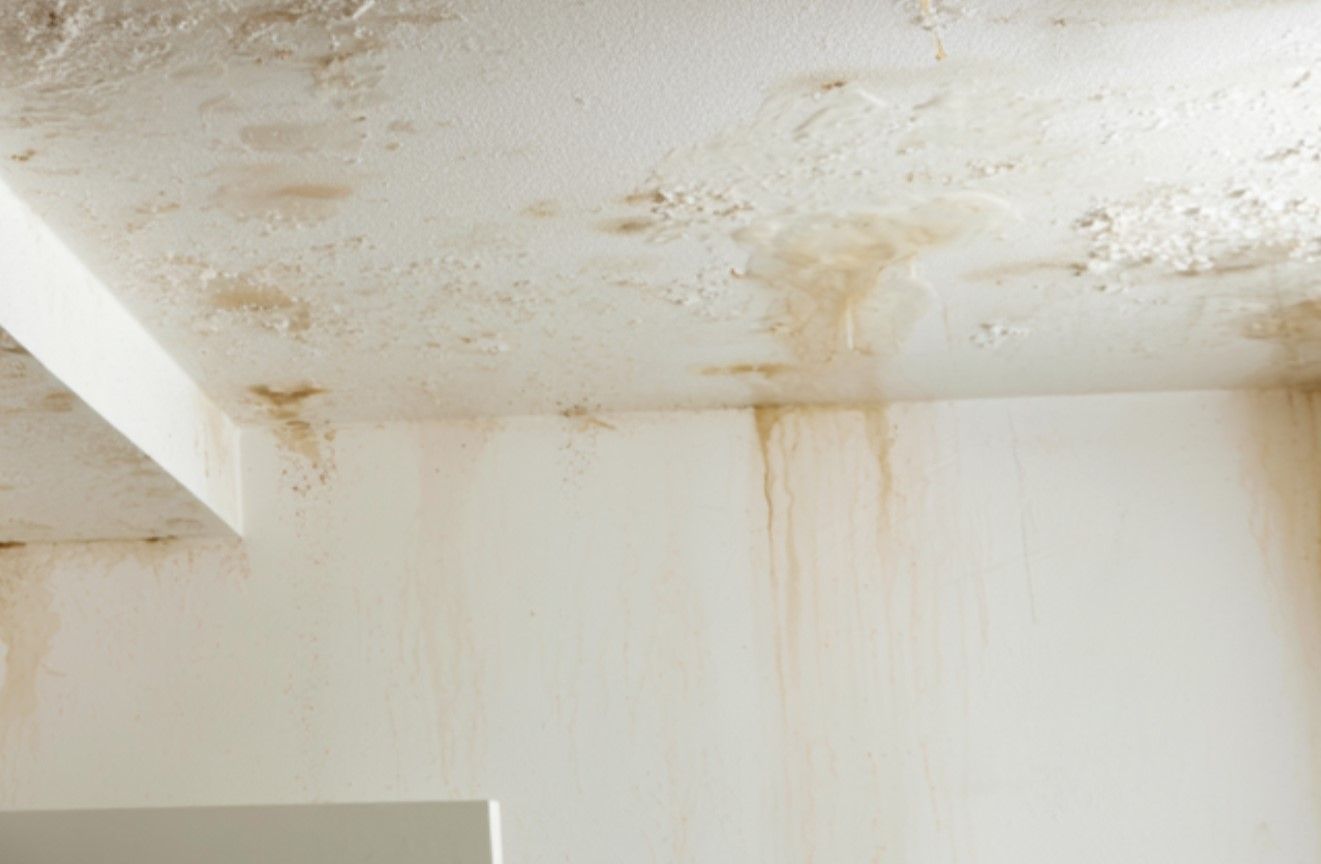
Water stains on ceilings are often the first indoor sign of a roofing problem. These stains typically appear as discolored patches and may indicate leaks. If left untreated, water infiltration can lead to significant structural damage and deterioration of materials. Identifying the source and sealing leaks swiftly can prevent escalated roof repair costs. Regular roof inspections and roof repair can mitigate the chances of water stains and further damage.
Dripping Water in Attic
Dripping water in the attic is a clear indicator of roof leaks or poor ventilation. Excess moisture accumulation can damage insulation and support structures. During heavy rainfalls or snow melts, inspecting the attic for any signs of dripping is advisable. Addressing these leaks promptly can save on future repair and utility costs. Professional evaluations can help determine corrective measures to prevent recurrence.
Mold or Mildew Growth
Mold and mildew growth inside your home can result from prolonged moisture exposure due to roof leaks. These harmful growths can contribute to poor indoor air quality and health issues. Mold typically thrives in dark, damp areas, making it essential to inspect under the roof deck or attic. A swift response to mold detection can prevent extensive damage and maintain a healthy living environment. Regular maintenance and roof repair can help keep your home mold-free.
Peeling Paint or Wallpaper
Peeling paint or wallpaper often signals excessive moisture within walls caused by roof leaks. Water intrusion weakens adhesive bonds, leading to visible damage over time. Identifying and mitigating leaks early can prevent additional cosmetic repairs. Repainting or reapplying wallpaper should be done only after addressing the root cause of moisture penetration. It’s vital to ensure the home’s interior remains undamaged and aesthetically pleasing.
Musty Odors Indoors
Musty odors linger indoors when moisture has been trapped over extended periods, often due to roof leaks. Such smells generally indicate mold or mildew growth, which can arise from unaddressed moisture issues. A home should ideally smell fresh; noticing any deviation from this could warrant a thorough inspection. Spotting and repairing the leaks can eliminate the cause of the odor. A preventive approach ensures a sanitized and pleasant indoor environment, preserving air quality.
Flashing and Sealant Issues
Damaged Flashing Around Chimneys
Flashing around chimneys plays a critical role in directing water away from vulnerable roofing sections. Damage to these areas can lead to leaks and structural problems. Regular inspection of flashing can prevent moisture infiltration, safeguarding the roof and interior components. Detecting weaknesses in these areas helps avoid costly repairs. Maintaining the integrity of flashing secures waterproofing efforts in the most vital areas around roof junctions.
Cracked or Worn Sealant
Sealant is crucial for watertight barriers but could crack from exposure to the sun or harsh weather. Broken sealant compromises the roof’s ability to keep water out, increasing the risk of leaks. Homeowners should regularly inspect and repair worn sealants, emphasizing its importance during seasonal transitions. Effective sealing extends roof life and prevents moisture from entering vulnerable areas. Professional assessments can ensure proper application and longevity of sealants.
Loose or Missing Flashing
Loose or missing flashing occurs frequently around roof valleys, chimneys, or skylights. It creates a pathway for water infiltration, which can cause considerable damage if unaddressed. Regular inspection and repair of flashing will maintain the roof's integrity, preventing costly issues. Effective flashing installation is essential for long-term protection against weather elements. The importance of proper sealing cannot be overstated, given its role in safeguarding homes from water damage.
Sagging Roof Deck
Noticeable Sagging Areas
Noticeable sagging areas are often indicative of structural issues with the roof deck. This problem could result from moisture, snow accumulation, or weakening support beams. Regular visual inspections from the ground can identify sagging sections needing attention. Addressing this issue promptly can prevent further structural damage or collapse. Professional evaluation of sagging areas helps determine the necessary and effective roof repairs.
Pooling Water on Roof Surface
Pooling water on the roof surface, also called ponding, signifies drainage issues that can damage roofing materials. Such issues can result in leaks or structural problems, especially on flat roofs. Ensuring proper slope facilitates water drainage and prevents ponding. Addressing these issues immediately can prevent further complications. Routine inspection can deter severe deterioration by identifying drainage concerns early.
Increased Energy Costs
Rising Heating and Cooling Bills
Rising heating and cooling bills often point to inadequate insulation or ventilation within the roofing structure. Poor roofing materials can exacerbate energy inefficiency, resulting in increased costs. Addressing roofing issues promptly can lead to noticeable savings on energy expenditures. Simple inspections and available repair solutions can optimize energy use, reducing bill amounts significantly. According to This Old House, about three in 10 homeowners wish they better understood budgeting prior to roof remodels.
Insulation Issues in Attic
Insulation issues in the attic can stem from breaches in the roofing system, leading to impaired thermal regulation. Effective insulation contributes to maintaining comfortable home temperatures and reducing energy costs. Repairing inadequacies promptly can enhance attic insulation performance. Regular reviews of attic conditions can prevent insulation issues from escalating. By focusing on localized repairs, homeowners can significantly cut back on excess energy utilization.
Drafts Near Ceilings and Walls
Drafts near ceilings and walls often suggest compromised roofing or insulation inefficiencies. These drafts contribute to fluctuating home temperatures, straining heating and air systems. Examining roof materials and insulation can rectify deficiencies effectively. Vertical inspections of inner walls can help verify the presence and orientation of drafts. By resolving drafts, homeowners enhance comfort while decreasing reliance on energy-expensive measures.
Proactively addressing the signs of roof damage can save homeowners time and money in the long run. When you need to schedule a
roof repair, call Freedom Restoration and Roofing. We're ready to assist you!